LibreGuard VPN is designed to collect only the information needed to provide accounts, enforce plan limits, process payments, and keep the service running. Here is the straightforward breakdown.
What LibreGuard does not log or store
- User IP addresses
- DNS requests or DNS query names
- Browser history
- The contents of browser traffic
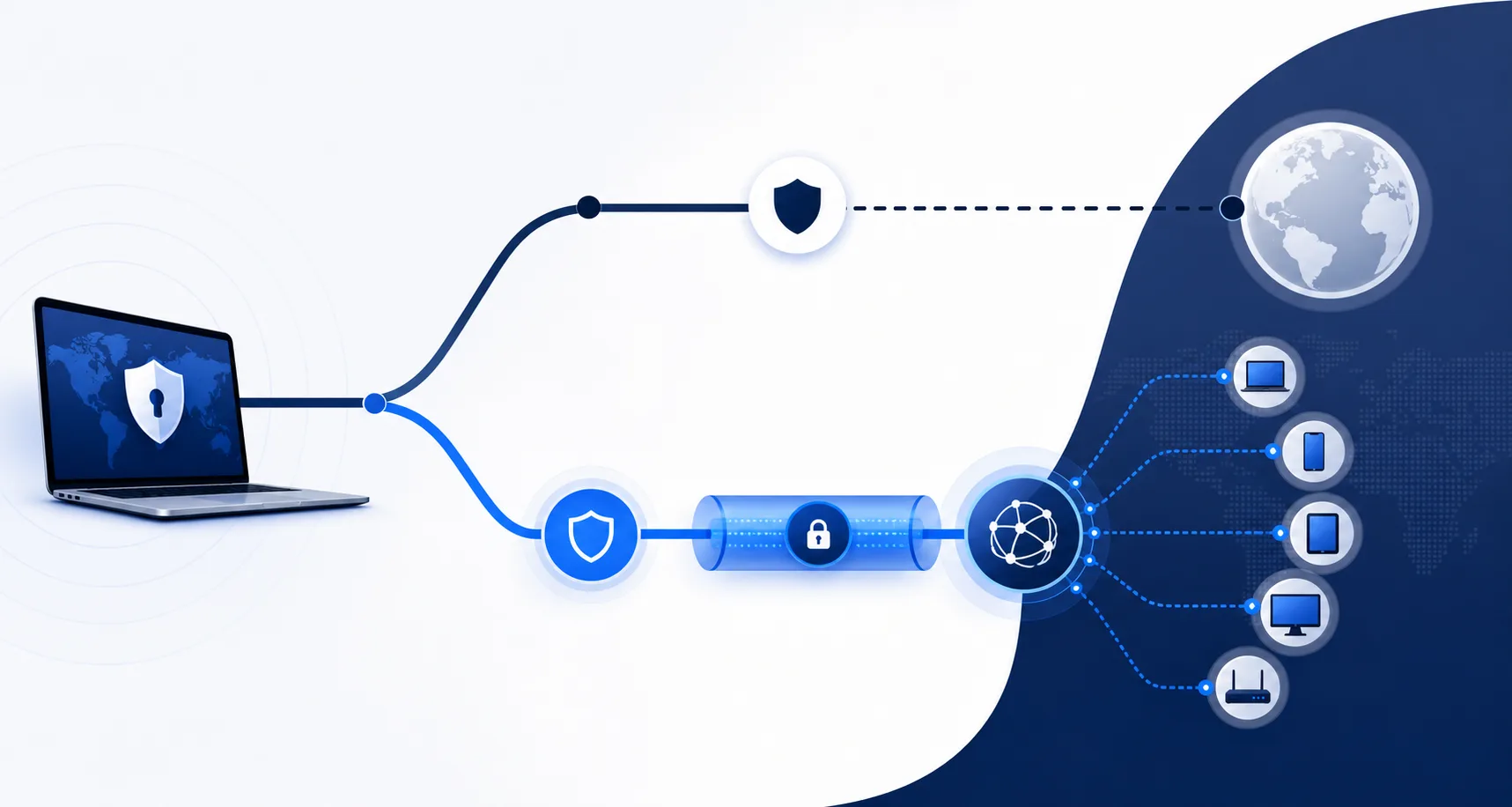
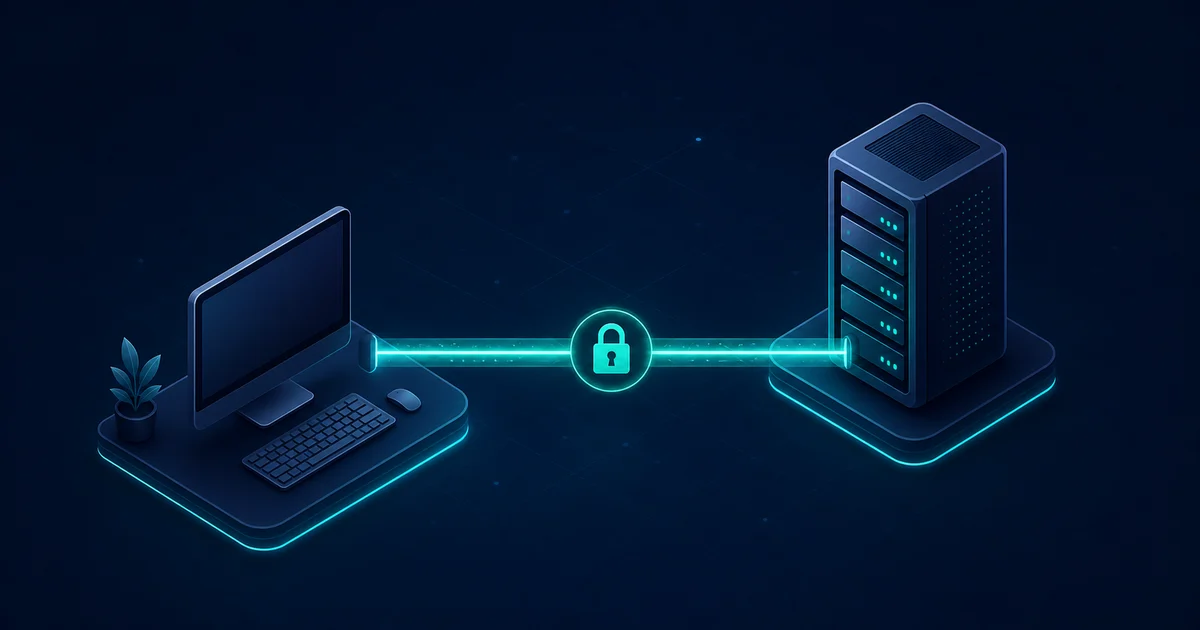
VPN traffic is routed through LibreGuard servers while a connection is active, but LibreGuard does not record or store browser history or the contents of that traffic. DNS is provided through the VPN connection, and LibreGuard does not log or store the DNS requests made through it.
Operational data the service needs
- Account and authentication details needed to create an account, sign users in, and provide support
- Plan, subscription, billing, and payment-status records
- Support messages and the contact details included with them
- Aggregate data-usage totals used for plan limits and billing-cycle accounting
- Temporary session and connection state needed to establish, maintain, and troubleshoot VPN access
- DNS-policy settings needed to apply features such as optional ad blocking and filtering
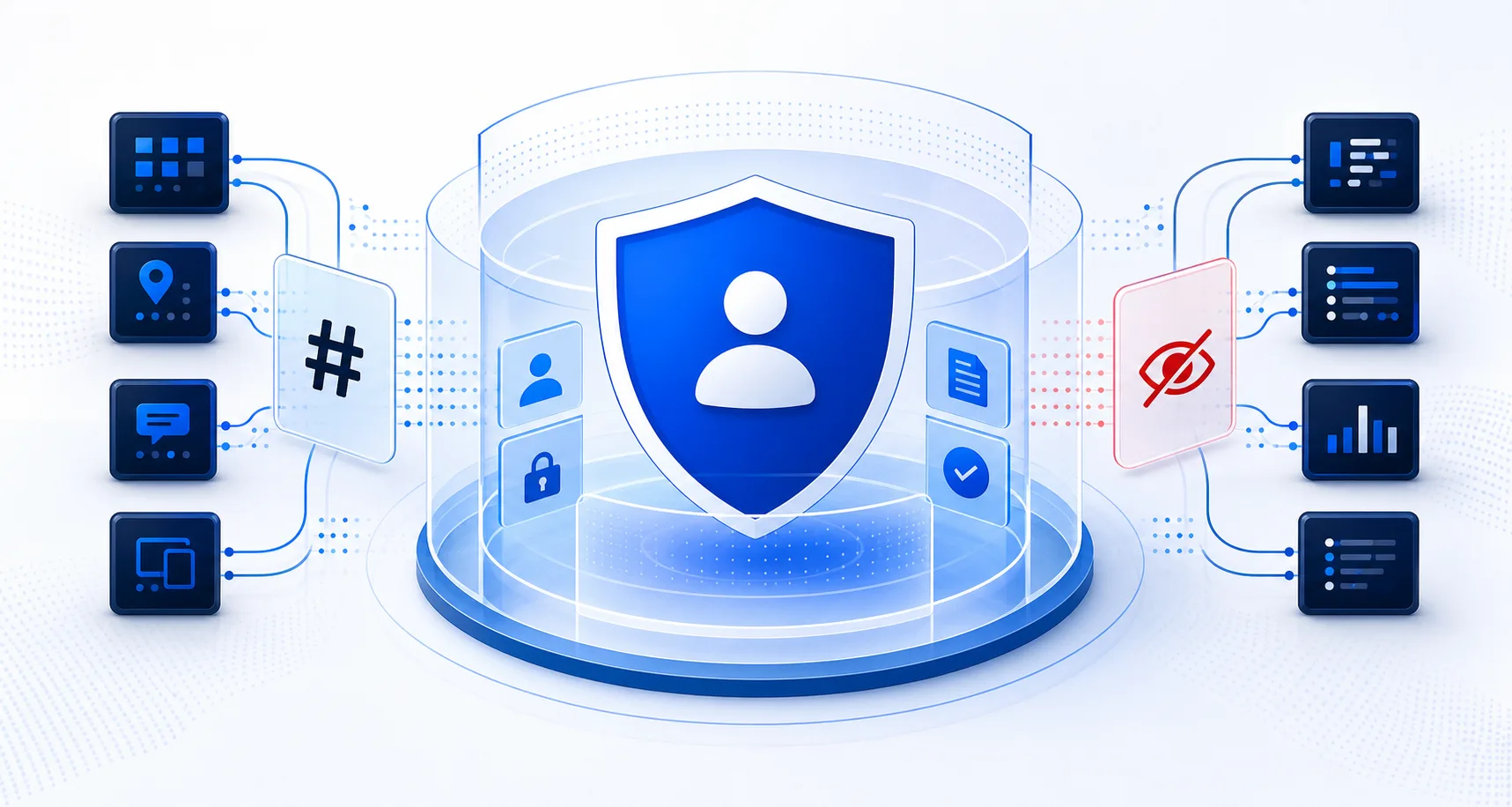
Operational data describes the service and the account; it does not include browsing history, browser traffic contents, DNS requests, or user IP addresses.
Hashed device identifiers
LibreGuard stores a hashed form of a unique device identifier to enforce device limits and protect account access. The original device identifier is not stored as the value used for these checks, and raw device identifiers are not published.
Payments and private accounts
Payment records depend on the purchase method. Payment options include card and Monero, and Google Play billing may also be available for supported purchases. Pro accounts do not require an email address at signup, although the card payment processor may still require one. Keep generated credentials and the recovery code safe.
A clear privacy boundary
LibreGuard does not claim that a VPN makes a person anonymous or stops websites from using their own cookies, accounts, or tracking systems. The promise is narrower and clearer: the service does not log or store IP addresses, DNS requests, browser history, or browser traffic contents, and it limits operational data to what the service needs to function.
Read the Privacy Policy and Transparency page for the full public description.