The short answer
IPv4 and IPv6 are two versions of the Internet Protocol, the addressing and routing layer that helps data move between networks. IPv4 uses 32-bit addresses, while IPv6 uses 128-bit addresses. The larger IPv6 address space was designed to solve IPv4 address exhaustion and support the continued growth of connected devices.
Both versions are in use today. The internet has not switched from one to the other in a single moment; networks commonly run both during a long transition.
IPv4 is the familiar dotted address format
An IPv4 address is 32 bits long and is usually written as four decimal numbers separated by dots, such as 203.0.113.42. Each number represents eight bits, so it can range from 0 to 255.
Thirty-two bits create about 4.3 billion possible addresses. That sounded enormous when IPv4 was designed, but it is not enough for a world of phones, laptops, servers, home devices, and internet-connected infrastructure. Some addresses are also reserved for private networking, testing, multicast, or other special uses, so the usable public pool is smaller than the simple total suggests.
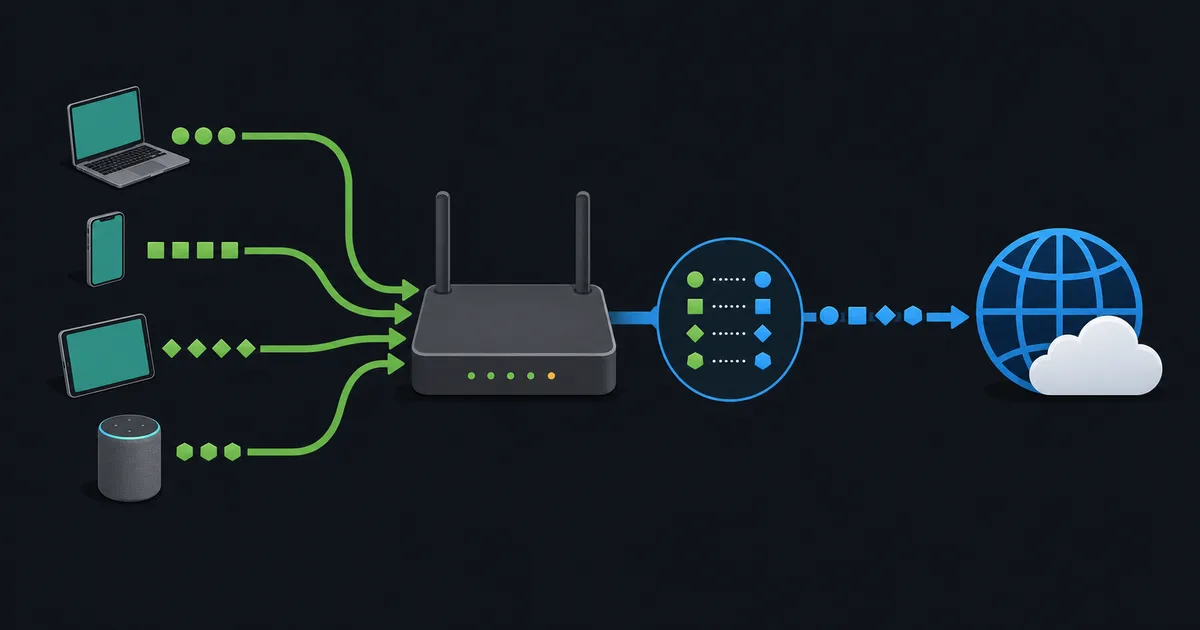
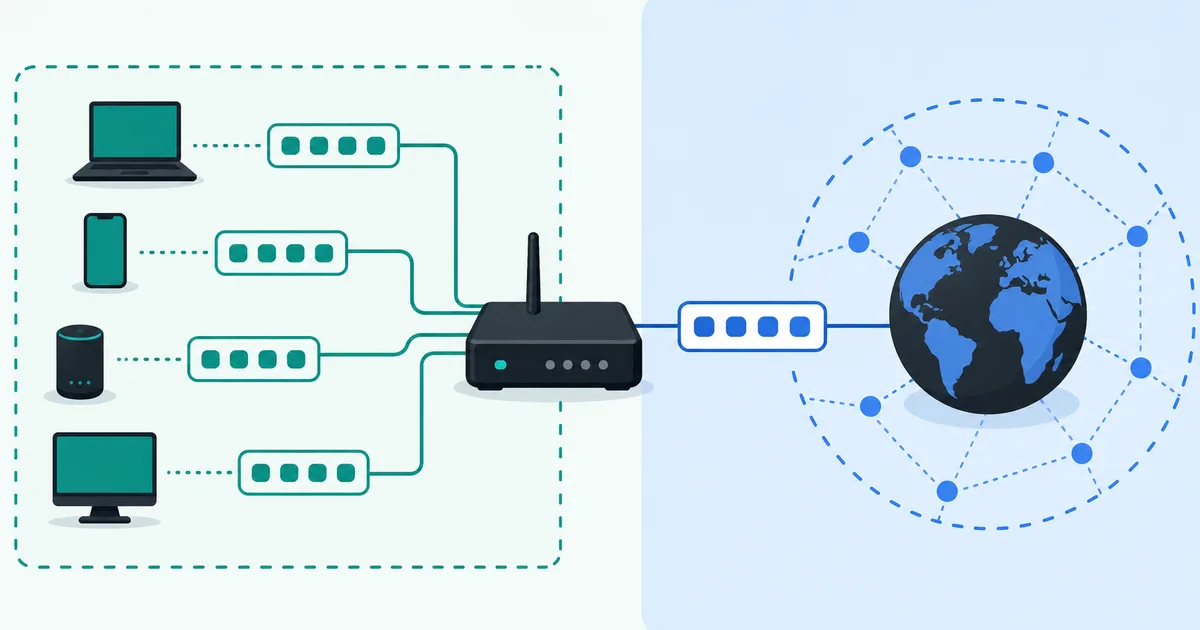
The pressure on IPv4 addresses is one reason home routers use NAT. NAT lets many private IP addresses share a smaller number of public IPv4 addresses.
IPv6 makes the address space much larger
An IPv6 address is 128 bits long. It is normally written in hexadecimal groups separated by colons, for example 2001:db8:1234:5678::1. The :: notation is shorthand for one or more consecutive groups of zeros.
The number of possible IPv6 addresses is approximately 3.4 times 10 to the power of 38. The important practical point is not memorizing that number. It is that IPv6 provides enough address space for networks to allocate addresses more freely without depending on address sharing for conservation in the way IPv4 does.
The technical rules for IPv6 are defined in RFC 8200. IPv6 also changes packet-header design and includes features that are different from IPv4, but the immediate difference most people notice is the longer address format.
IPv4 and IPv6 are not directly interchangeable
An IPv4-only host cannot simply send an ordinary IPv4 packet to an IPv6-only host. They use different packet formats and addressing systems. A network needs a transition strategy when both kinds of endpoint must communicate.
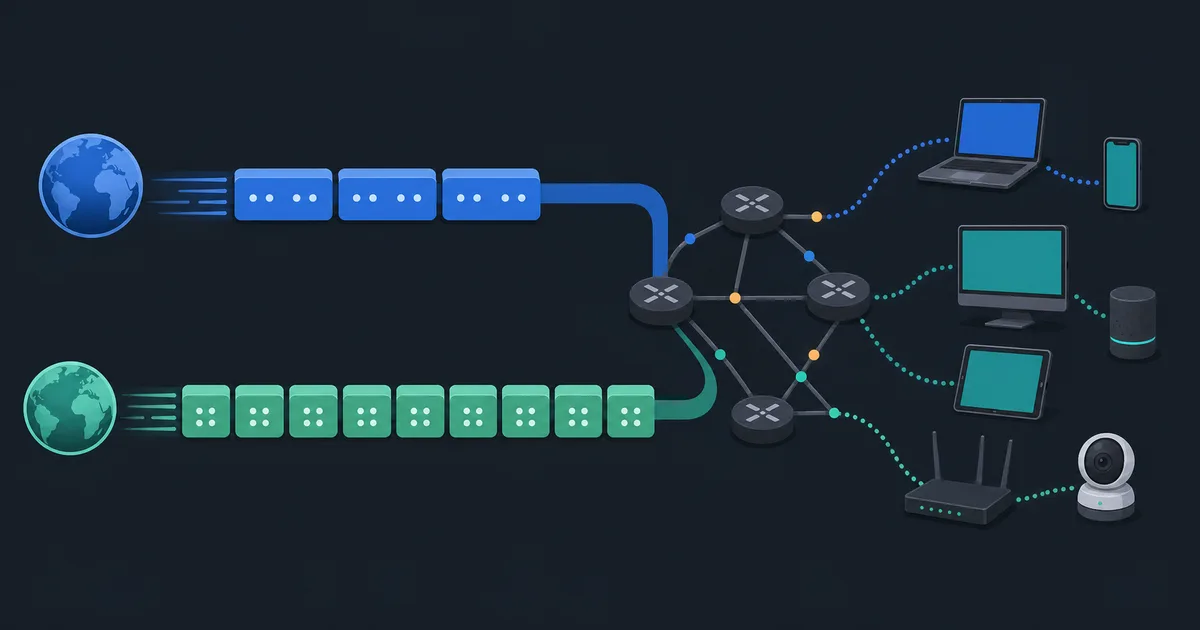
The most common strategy is dual stack: devices and networks support both IPv4 and IPv6. When both sides have working IPv6 connectivity, a connection can use IPv6. When not, IPv4 remains available.
Other transition mechanisms exist, including translation and tunneling. Their details vary by provider and network. For most people, the useful conclusion is that seeing both IPv4 and IPv6 addresses on the same device is expected, not a sign that something is misconfigured.
Why a device can have several addresses
Modern devices often have more than one address even before IPv6 enters the picture. A laptop may have one address for Wi-Fi, another for Ethernet, temporary addresses for certain connections, and loopback addresses used locally by the operating system.
With IPv6, an interface commonly has a link-local address used on the local network and may also have one or more globally reachable addresses. This does not mean every service on the device is exposed to the internet. A firewall and the service configuration determine what can accept traffic.
The same principle applies to IPv4. Having a public address does not automatically make a device unsafe, and having a private address does not automatically make it secure. Addressing and access control solve different problems.
Is IPv6 more secure than IPv4?
IPv6 is not automatically more secure. Both protocol versions can be deployed securely or poorly. IPv6 was designed with modern networking in mind and has support for IPsec, but support for a security technology is not the same as a guarantee that it is used or configured well.
An IPv6 network should have intentional firewall rules, asset visibility, monitoring, and patching just as an IPv4 network does. One common mistake is to apply careful IPv4 controls while overlooking a newly enabled IPv6 path. Security teams need to manage both.
Likewise, IPv4's use of NAT should not be mistaken for a universal defense. NAT is address translation; a firewall is responsible for applying security policy.
What changes for everyday internet use?
Usually, very little is visible. Websites, apps, and browsers choose a working network path in the background. A site can be reachable over IPv4, IPv6, or both. A user should not have to choose a version manually.
There can be operational differences. IPv6 may avoid some NAT-related complications for directly addressed services, while older networks or software may still depend on IPv4. Providers therefore keep both versions available while compatibility improves.
For troubleshooting, it is useful to know which version a connection is using. If a site works on one protocol version and not the other, the problem may lie in DNS, routing, firewall policy, or an incomplete transition configuration rather than in the site itself.
How IPv6 relates to VPNs
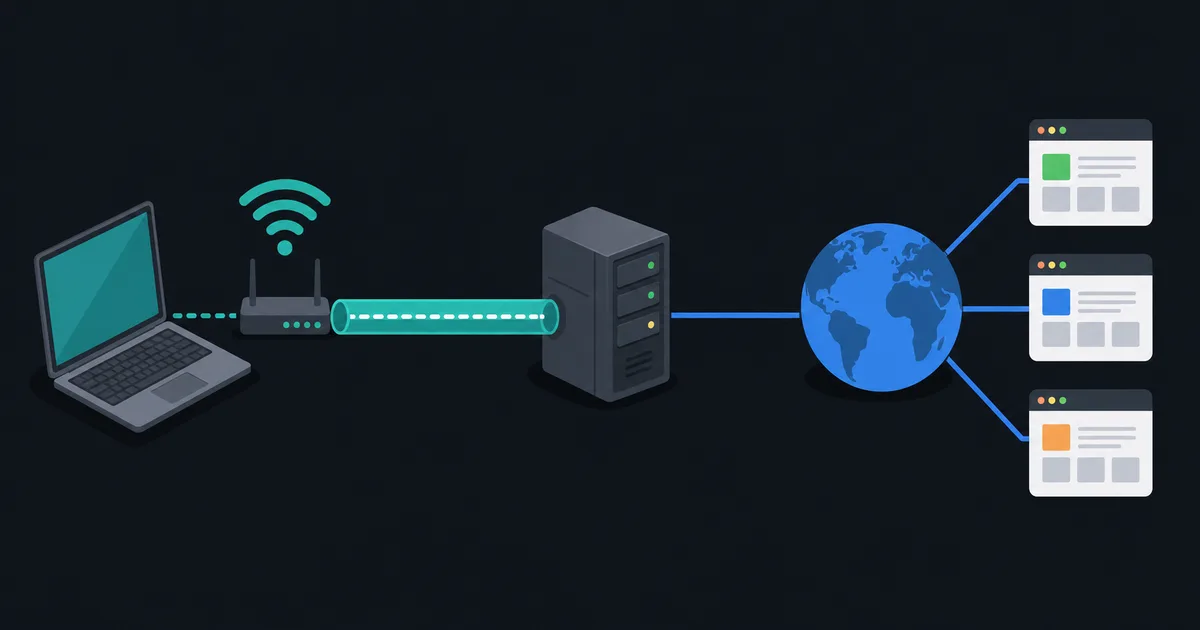
VPN applications need to handle IPv4 and IPv6 deliberately. If a VPN protects only IPv4 traffic while the device continues to use IPv6 outside the tunnel, that can create an unexpected path. A well-designed client considers routing and DNS for both protocols according to the chosen mode.
That does not mean every VPN configuration must force all traffic through a tunnel. Split tunneling can be a legitimate choice. The important part is that the behavior is clear and intentional. See what a VPN is and how it works for the bigger picture.
The takeaway
IPv4 and IPv6 solve the same broad job: addressing and routing internet traffic. IPv4 remains essential because it is widely deployed. IPv6 provides a far larger address space and is deployed alongside it through dual stack and other transition techniques. The two will coexist for a long time.